Gingerbread Cookie Co: Graphics & Crafts Branding
Evaluating Festive Warmth for Local Bakery Identity
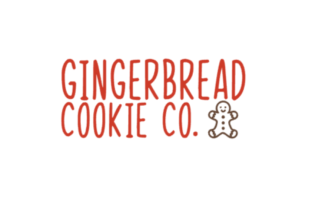
When reviewing Gingerbread Cookie Co. as a potential graphic design asset for a client project, my first assessment always focuses on emotional resonance and commercial viability. For a local bakery or artisanal food business, this design immediately establishes a mood that is nostalgic, handcrafted, and inviting. It does not feel sterile or overly corporate; instead, it suggests a brand personality rooted in tradition, warmth, and homemade quality. This specific aesthetic is crucial for small business branding where the goal is to differentiate from mass-produced competitors through visual storytelling. The typography and illustrative elements evoke a sense of comfort, making it an ideal candidate for businesses that want to project an image of organic care and festive joy without sacrificing professional polish.
As a brand designer, I look for assets that solve specific visual problems. In this case, the design serves as an excellent anchor for seasonal campaigns or permanent branding for niche confectionery shops. It strikes a balance between playful illustration and legible signage, which is often a difficult line to walk in commercial design. For a coffee shop adding holiday treats or a cottage baker launching a winter line, this asset provides instant recognition. However, its utility depends entirely on how well it integrates into a broader brand identity system rather than standing alone as mere decoration.
Strategic Applications Across Packaging and Print
In real-world application, versatility is the metric by which I judge any digital product. When utilizing the SVG file included with Gingerbread Cookie Co., the scalability becomes the primary advantage for packaging design. Vector-based graphics are non-negotiable for professional printing because they maintain crisp edges whether scaled down for a 2-inch jar sticker or enlarged for a storefront window decal. I have found this particular style works exceptionally well on kraft paper textures and matte finishes, reinforcing the artisanal narrative. For a product label, the design can serve as a central logo lockup or a secondary decorative element framing ingredient lists.
Beyond physical packaging, this asset transitions seamlessly into marketing collateral. As a transparent PNG, it is ready for immediate use in social media graphics, website banners, and digital flyers. For a local business owner managing their own Instagram account, having a pre-designed, high-resolution graphic eliminates the guesswork of creating cohesive posts. It can be layered over photography of actual baked goods to create depth, or used as a watermark to protect proprietary content. In editorial design contexts, such as a seasonal menu or price list, the illustration helps guide the eye and break up dense text, improving the overall visual hierarchy and readability.
- Product Labels: Use the SVG for die-cut stickers on cellophane bags or glass jars.
- Promotional Material: Incorporate into holiday sale flyers and market signage.
- Digital Presence: Utilize the transparent PNG for email headers and Instagram stories.
- Customer Experience: Add to thank-you cards and unboxing inserts to reinforce brand recall.
Enhancing Shelf Appeal and Customer Trust
The true value of a design asset like Gingerbread Cookie Co. lies in its ability to elevate perceived value. In the competitive landscape of handmade businesses and boutique food sellers, customers often equate visual quality with product quality. A polished, consistent visual presentation signals professionalism and hygiene, two critical factors for food-related enterprises. When this graphic is applied correctly to packaging, it creates stronger shelf appeal by providing a focal point that communicates flavor profile and brand ethos instantly. It moves the product beyond a generic commodity and positions it as a curated experience.
Furthermore, consistent use of such distinctive graphics builds customer trust over time. When a patron sees the same visual language across your product mockup previews, physical packaging, and social media ads, it reinforces brand memory. This consistency reduces cognitive load for the consumer; they recognize your product before they even read the name. For creative entrepreneurs using tools like Canva, having a dedicated asset library that includes this level of detail allows for faster content creation without compromising on the bespoke feel that local customers expect. It bridges the gap between DIY effort and agency-level execution.
Contextual Limitations and Visual Balance
While versatile, no single graphic suits every context. As an experienced designer, I must advise caution regarding where Gingerbread Cookie Co. should be deployed. Due to its illustrative nature and likely intricate details, it is not suitable for extremely small applications such as tiny ingredient tags or legal disclaimer areas. At reduced sizes, complex lines can muddy together, resulting in poor print quality and illegibility. Similarly, this asset may clash with ultra-minimalist luxury branding or stark modernist aesthetics. If your brand voice is clinical, futuristic, or strictly typographic, introducing a whimsical gingerbread motif could create cognitive dissonance and confuse your target audience.
Additionally, consider the background contrast carefully. While the transparent PNG offers flexibility, placing detailed line work over busy photographic backgrounds or low-contrast colors will render the design invisible. It requires negative space to breathe. In crowded packaging layouts where regulatory text dominates, this graphic should be relegated to a supporting role rather than competing for attention with mandatory information. Always prioritize legibility and compliance over decoration. The asset supports the brand; it should never obscure essential communication.
Technical Due Diligence for Commercial Implementation
Before committing this asset to a final production run, rigorous testing is mandatory. I always recommend creating a full-scale product mockup printed on the actual substrate you intend to use. Screen colors differ significantly from CMYK print output, especially on uncoated papers common in craft industries. Verify that the SVG paths are clean and closed if you plan to modify colors or separate layers for vinyl cutting or screen printing. Test the transparency of the PNG against various colored backgrounds to ensure no white halos or jagged edges appear, which can undermine the professional finish.
Typography pairing is another critical technical consideration. Test Gingerbread Cookie Co. alongside your existing font suite. Does it harmonize with your primary serif or sans-serif typefaces? If the asset includes script lettering, avoid pairing it with additional script fonts to prevent visual clutter. Instead, balance it with simple, structured typefaces for body copy. Finally, and most importantly, verify the commercial license terms. Just because a graphic is available on a creative marketplace does not automatically grant unlimited rights for resale, trademark registration, or mass manufacturing. Confirming licensing protects your business from future legal complications and ensures ethical support for the original artist. Proper vetting transforms a simple download into a secure, long-term business asset.
- Verify SVG editability and node cleanliness in vector software.
- Print test samples on intended packaging materials to check color accuracy.
- Audit licensing agreement for specific commercial usage rights.
- Test legibility at minimum intended size before mass production.
- Ensure visual harmony with existing brand typography and color palette.