Staching Through the Snow: A Designer’s Review
When evaluating a new machine embroidery design for my studio, I look beyond the digital preview. I need to know how it behaves under the needle and whether it will translate into a high-value finished product. "Staching Through the Snow" caught my attention not just as a seasonal graphic, but as a potential staple for winter inventory. As a designer who creates both custom apparel and digital assets for other makers, I approached this file with a critical eye toward stitch integrity, commercial viability, and aesthetic charm.
First Impressions and Seasonal Mood
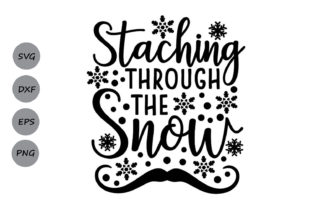
The immediate appeal of Staching Through the Snow lies in its playful narrative. It captures a specific whimsy that resonates deeply with the handmade market. Unlike generic holiday clipart, this design suggests movement and personality. For an Etsy seller or boutique owner, this distinction matters. Customers aren't just buying a snowflake; they are buying a feeling of cozy nostalgia. The layout feels balanced, suggesting it would serve as an excellent centerpiece for a sweatshirt embroidery project or a focal point on a nursery blanket. However, visual balance on screen does not always guarantee stability in the hoop, which brings us to practical application.
Real-World Application: The Holiday Tote Test
To truly evaluate this design, I mentally placed it in a real production scenario: creating a batch of premium canvas tote bags for a local holiday market. Totes are unforgiving; the fabric is sturdy but textured, and customers expect durability. Staching Through the Snow appears well-suited for this medium, provided you manage your stabilizer correctly. The design likely requires a cut-away stabilizer to prevent puckering on canvas, especially if the artwork includes dense fill stitch areas typical of winter scenes.
In this context, the design functions as more than decoration; it acts as a branding element. If you are running a craft business, consistency is key. This graphic has enough character to stand alone but enough simplicity to pair with custom text or logos. When stitching onto natural canvas, I would recommend testing thread colors against the fabric first. Off-white or cream threads often get lost on unbleached canvas, whereas crisp white or metallic silver can elevate the perceived value of the handmade product.
Navigating Fabric Challenges and Hoop Sizes
While Staching Through the Snow shines on stable fabrics like canvas or fleece, caution is required for more delicate applications. If you plan to use this for baby embroidery on stretchy knits or ribbed onesies, the stitch density becomes a primary concern. Heavy designs on lightweight jersey can cause tunneling or distortion. Always test on scrap fabric that matches your final substrate. You may need to reduce density or switch to a lighter applique design variation if one is included in the file set.
Hoop size selection is equally critical. This design likely has a defined boundary that shouldn't be arbitrarily resized without checking stitch counts. Stretching a design too large can result in sparse coverage, while shrinking it too small can cause thread breaks and registration issues, particularly in detailed corners or tiny lettering. For commercial embroidery projects where efficiency matters, verify that the design fits comfortably within your machine’s optimal sewing field to avoid re-hooping, which introduces alignment risks.
Critical Considerations for Specific Substrates
- Textured Fabrics: On terry cloth or minky, use a water-soluble topping to keep stitches from sinking into the pile.
- Dark Fabrics: Ensure sufficient contrast. A white snow scene on navy blue works beautifully, but on black, consider adding a subtle outline or shadow to define edges.
- Curved Surfaces: If adapting this for caps, check the vertical height. Designs meant for flat hoops often distort on curved cap frames unless specifically digitized for headwear.
- Frequent Washing: For kitchen towels or baby items, ensure all elements are securely anchored with adequate underlay to withstand laundering.
Commercial Viability and Digital Asset Usage
For those selling digital products or using this for printable mockups, Staching Through the Snow offers versatility. The inclusion of SVG, DXF, PNG, and EPS formats indicates readiness for both cutting machines and embroidery software. However, as a reviewer, I must emphasize verifying licensing terms before listing finished goods or reselling digital files. Clear licensing protects your small shop product listings and builds trust with buyers who want to know their purchase supports ethical design practices.
From a marketing perspective, this design photographs well. The distinct shapes and seasonal theme make it ideal for social media content and shop banners. When creating mockups, show the design on realistic blanks rather than flat digital renders. Buyers connect with texture and scale. Showing Staching Through the Snow on a wrinkled linen pillow cover or a worn-in sweatshirt communicates quality and authenticity that flat graphics cannot convey.
Designer Notes for Optimal Results
Before committing this embroidery file to a paid order or production run, follow these professional protocols:
- Run a Stitch-Out Test: Never skip this step. Check for thread breaks, tension issues, and registration accuracy on your specific machine.
- Audit Small Details: Inspect any text or fine lines. If satin stitches are narrower than 1mm, they may fray over time. Consider converting them to running stitches for longevity.
- Evaluate Color Sequence: Optimize thread changes to reduce production time. Group similar colors together if the design allows without compromising visual layering.
- Check Stabilizer Pairing: Match stabilizer weight to fabric weight. Using heavy cut-away on light voile will ruin the drape; using tear-away on stretchy knit will cause distortion.
- Verify File Integrity: Open each format (SVG, DXF, EPS) in your respective software to ensure no nodes are missing or paths broken during conversion.
Elevating Your Winter Collection
Staching Through the Snow represents a strong contender for winter catalogs, offering a blend of charm and technical adaptability. Whether you are producing personalized gifts, stocking Etsy shelves, or expanding your digital library, success depends on respecting the relationship between design, material, and technique. By approaching this graphic with professional scrutiny—testing densities, validating substrates, and honoring licensing—you transform a simple seasonal file into a reliable asset for your creative enterprise. Remember, the most beautiful embroidery project is one that survives real life while maintaining its handmade magic.