Christmas Bald Eagle: A Designer’s Stitch Review
When evaluating a new machine embroidery design for the holiday season, I look for more than just festive colors. As a designer who regularly creates custom apparel and handmade products for clients, I need to know if a graphic will actually translate well from screen to fabric. The Christmas Bald Eagle is an intriguing concept that blends patriotic symbolism with seasonal warmth, but merging these two distinct themes requires careful execution. Before you load this embroidery file into your machine or list it in your Etsy shop, it is vital to understand how this specific aesthetic performs in real-world production scenarios.
First Impressions and Visual Personality
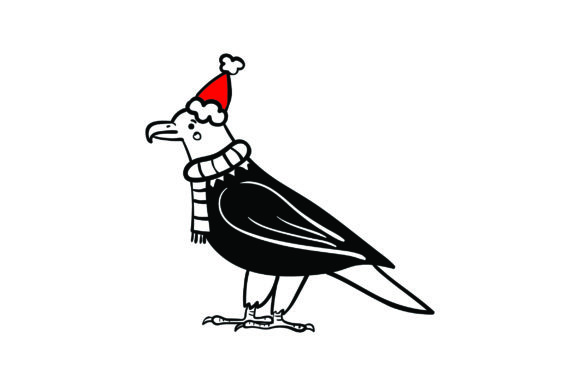
My initial reaction to the Christmas Bald Eagle was one of cautious optimism. Patriotic designs can sometimes feel stiff or overly militaristic, while holiday crafts can lean too cutesy. This design attempts to bridge that gap by softening the eagle’s traditional stoicism with seasonal elements. Visually, it carries a nostalgic, Americana mood that feels appropriate for rustic holiday decor or heritage-style apparel. The layout appears balanced, which is critical for maintaining stitch integrity. However, as with any detailed embroidery project, the success lies in the translation of fine lines and shading into thread.
For creative entrepreneurs and small shop owners, this design offers a unique niche. It isn't the standard Santa or snowman; it appeals to customers looking for personalized gifts that celebrate both national pride and family tradition. The visual weight suggests it would serve best as a centerpiece on a sweatshirt or tote bag rather than a subtle accent. When reviewing digital product previews, ensure the artwork has enough negative space around the subject to prevent the design from feeling cramped once hooped.
Real-World Application: The Holiday Sweatshirt Test
To truly judge this design, I mentally walked through a recent client request for a custom embroidered sweatshirt intended as a holiday gift for a veteran. Fleece and French terry fabrics are notoriously tricky because their texture can swallow fine details. In this scenario, the Christmas Bald Eagle needs to hold its own against the fabric's pile. If the design relies heavily on delicate running stitches or tiny fill areas, they risk getting lost in the fleece nap.
For this type of custom apparel, I would prioritize checking the stitch density. A design meant for sweatshirts must have adequate underlay to stabilize the stretchy knit before the top stitching begins. If the Christmas Bald Eagle uses large satin stitch columns for outlines or lettering, verify they are not too wide, as wide satins on stretchy fabric can pull and pucker. Conversely, if it utilizes complex fill stitches to render feather textures, ensure the density isn't so high that it creates a bulletproof patch effect on a soft garment. For my veteran client project, this design worked beautifully because the bold shapes read clearly from a distance, and the festive accents added the requested holiday touch without compromising the dignity of the eagle motif.
Navigating Fabric Limitations and Hoop Sizes
While this design shines on stable knits and woven cottons, there are environments where caution is necessary. I would hesitate to use the Christmas Bald Eagle on lightweight baby clothes or sheer fabrics unless significant modifications are made. The combination of dense patriotic detailing and holiday embellishments likely exceeds the structural tolerance of thin materials. Similarly, curved surfaces like caps present a challenge. Eagles often have wide wingspans, and wrapping that geometry around a cap crown can distort the image unless the embroidery file was specifically digitized for headwear.
Hoop size compatibility is another practical consideration for makers. Before purchasing or stitching, confirm the dimensions match your equipment. A design that looks perfect in a 5x7 hoop might lose essential detail if resized down to a 4x4 field. Resizing vector-based formats like SVG, EPS, or DXF is generally safe for cutting machines, but for embroidery, you must respect the original digitizer's stitch map. If you plan to use this for tea towels or kitchen linens, remember that these items face frequent washing. Ensure the stitch type is durable; decorative hand-stitch simulations may fray over time compared to robust fill or satin stitches.
Commercial Viability for Makers and Sellers
For Etsy sellers and craft business owners, the Christmas Bald Eagle represents a valuable asset for Q4 inventory. Its dual theme extends the selling window beyond just December, appealing to buyers year-round while peaking during the holidays. However, professional presentation is key. When creating printable mockups or listing photos, test the design against both light and dark fabric backgrounds. A design that pops on white cotton might vanish on navy fleece if the thread colors lack contrast.
Value perception also hinges on execution. Customers trust handmade products that look polished. If the registration is off or the fabric tunnels due to improper stabilizer choice, it devalues the brand. Using this design for commercial embroidery projects requires a commitment to quality control. I recommend stitching out a sample on the exact material you intend to sell. This step confirms that the thread colors interact well and that the final product matches the digital promise. For those selling digital embroidery files or design assets, clarity regarding licensing is non-negotiable. Always verify if the purchase includes commercial rights for finished products versus digital redistribution.
Essential Designer Notes for Success
Based on my experience reviewing and testing similar holiday embroidery designs, here are practical steps to ensure your Christmas Bald Eagle project succeeds:
- Test on Scrap Fabric First: Never stitch a new design directly onto a sellable item. Use a scrap of the same weight and texture to check tension and density.
- Verify File Formats: This product includes SVG, Transparent PNG, EPS, and DXF. These are excellent for vinyl cutting, sublimation, and mockups, but confirm if a specific machine embroidery format (like PES, DST, or JEF) is included or if conversion is required for your specific machine.
- Check Thread Color Contrast: Patriotic reds and blues can sometimes bleed visually when stitched next to each other. Use a color chart to select threads that maintain distinct separation.
- Stabilizer Selection is Critical: For stretchy sweatshirts, use cut-away stabilizer. For woven tote bags or aprons, tear-away may suffice. Match the support to the fabric, not just the design.
- Inspect Small Details: Zoom in on the digital file. If the eagle’s eye or beak contains tiny elements, they may need to be simplified for smaller hoop sizes to prevent thread breaks or needle damage.
- Mockup Testing: Create black and white mockups to evaluate value contrast. If the design looks muddy in grayscale, it will likely look muddy in thread on similarly colored fabrics.
- Licensing Confirmation: Before listing any finished product or digital derivative, review the seller’s terms. Protect your business by ensuring you have the right to sell items featuring this Christmas Bald Eagle.
Elevating Your Holiday Craft Portfolio
The Christmas Bald Eagle is more than just a seasonal graphic; it is a test of technical skill and artistic judgment. Whether you are crafting a personalized gift for a loved one or building a holiday collection for your boutique, treating this design with professional scrutiny ensures the best results. By understanding how stitch density interacts with fabric texture, and by respecting the limitations of different garment types, you transform a simple digital file into a high-quality handmade product. Take the time to test, adjust, and verify. Your customers—and your reputation—will appreciate the difference between a quick stitch-out and a thoughtfully executed piece of embroidery art.