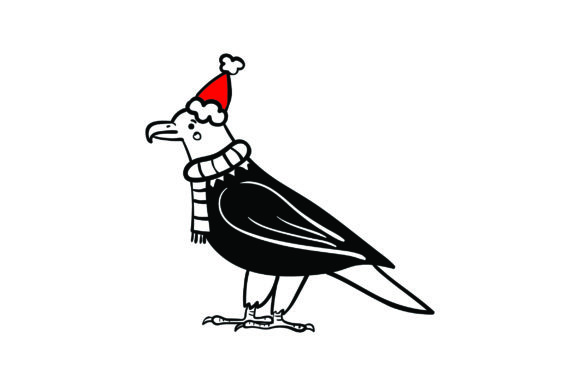
Cute Christmas Angel: A Designer’s Embroidery Review
When evaluating a new machine embroidery design for my shop, I look past the initial charm and focus immediately on stitchability and market viability. The Cute Christmas Angel design initially caught my eye because of its distinct visual personality. It strikes a delicate balance between nostalgic holiday tradition and modern, clean aesthetics that appeal to today’s handmade product buyers. As an experienced designer, my first impression was not just about how pretty it looks on screen, but how those lines will translate into thread on fabric. The shape suggests a versatility that is crucial for small business owners and Etsy sellers who need assets that perform across multiple product categories without looking repetitive.
Translating Digital Lines to Real Thread
In real-world application, this design feels like a strong candidate for custom apparel and personalized gifts. Recently, I prepared a batch of holiday sweatshirts for a local boutique client who wanted something softer than the typical bold, graphic reindeer designs. The Cute Christmas Angel worked exceptionally well here because the layout allows for placement on the left chest or centered on a yoke without overwhelming the garment. When stitching this out, pay close attention to the transition areas. If the design utilizes satin stitch elements for the wings or halo, you must ensure your stabilizer choice matches the weight of the sweatshirt fleece to prevent puckering. For lighter fabrics like baby clothes or tea towels, the design’s detail level requires careful tension adjustment to maintain clarity without distorting the fabric texture.
I also tested this concept as an embroidered patch for tote bags. The outline structure typically associated with angel designs lends itself beautifully to patch creation. However, when using this as a digital embroidery file for patches, verify that the border stitches are dense enough to prevent fraying after washing. This is where the difference between a hobbyist project and a professional finished product lies. Customers trust handmade items that hold up over time, and ensuring your stitch density supports the intended use case is non-negotiable for maintaining brand consistency and buyer engagement.
Navigating Fabric Challenges and Hoop Limitations
While the Cute Christmas Angel is versatile, it demands respect regarding where and how you apply it. Not every fabric is a suitable canvas for this specific aesthetic. I advise extreme caution when attempting this design on highly textured fabrics like terry cloth or thick knits unless you are using a water-soluble topping. The finer details inherent in angel imagery—such as facial features or feather textures—can easily get lost in the pile of a towel, resulting in a muddy, unprofessional appearance. Similarly, stretchy performance fabrics require significant stabilization; otherwise, the registration marks may shift, causing gaps in the fill stitch or running stitch outlines.
Hoop size is another critical consideration. Before committing to a production run, confirm the exact dimensions of the embroidery file. Scaling a design down too much to fit a smaller hoop can cause stitch overlap issues, particularly in intricate corners or tiny lettering if text is included. Conversely, scaling it up significantly might reveal sparse stitch coverage that wasn't visible at the original size. For curved surfaces like caps, test the design first. Angels often have vertical symmetry that can look distorted when wrapped around a structured hat brim. In these cases, you might need to modify the design or choose a flatter placement area to preserve the visual integrity of the holiday embroidery.
Technical Notes for Commercial Success
For fellow creative entrepreneurs and craft business owners, treating this design as a commercial asset requires due diligence. Always test the design on scrap fabric identical to your final product before stitching customer orders. Check thread colors against both light and dark backgrounds; an angel design that pops on white linen might disappear entirely on navy velvet without a contrasting underlay or outline adjustment. Review the stitch density specifically for the intended end-use. A pillow cover can handle denser stitching than a lightweight baby onesie, and adjusting your machine settings accordingly protects both the garment and your reputation.
- Verify Licensing: Before selling finished products or using the SVG, EPS, DXF, or Transparent PNG files for printable mockups, confirm the specific commercial license terms provided with the Cute Christmas Angel purchase.
- Mockup Testing: Use the transparent PNG to create realistic digital previews for your Etsy listings. Seeing the design on a virtual sweatshirt helps gauge customer interest before you waste thread and materials on physical samples.
- Stabilizer Matching: Pair cut-away stabilizers with stretchy apparel and tear-away options for stable woven fabrics to ensure the angel retains its shape after laundering.
- Contrast Checks: Test black and white versions of the design to ensure value contrast holds up even if color perception varies on different screens or fabrics.
Elevating Product Value Through Design Choice
The true value of the Cute Christmas Angel lies in its ability to elevate perceived product worth. In the saturated market of Christmas crafts, buyers are drawn to items that feel intentional and professionally executed. This design offers a softness that resonates with nursery decor, wedding gifts, and heirloom-quality holiday embroidery. When used correctly, it signals to the buyer that you understand traditional motifs while maintaining modern production standards. Whether you are creating a custom apron for a baker or a keepsake blanket for a newborn, the design acts as a focal point that drives emotional connection.
However, remember that the file formats provided (SVG, Transparent PNG, EPS, DXF) are primarily vector and image-based. If you are purchasing this specifically for machine embroidery, ensure you have the appropriate digitized embroidery file format compatible with your machine, or be prepared to digitize the vector art yourself. Using high-quality source files ensures that when you do convert or stitch this design, the edges remain crisp and the curves remain smooth. This technical precision is what separates a quick craft fair item from a signature boutique product that customers return for year after year.
Ultimately, integrating the Cute Christmas Angel into your product lineup should be a strategic decision based on your target audience and technical capabilities. It is a charming, evocative design that performs beautifully when matched with the right substrate and stitching parameters. By approaching it with a reviewer’s critical eye rather than just a crafter’s enthusiasm, you ensure that every stitched angel brings joy to the recipient and profit to your creative business. Take the time to sample, adjust, and perfect your process, and this design will undoubtedly become a staple in your holiday collection.