Ugly Sweater Christmas Stocking Design Review
As a professional embroidery designer and product reviewer, I approach every new digital asset with a critical eye toward production viability. When evaluating the Ugly Sweater Christmas Stocking design, my primary focus is not just on its festive aesthetic, but on how it translates from screen to fabric. This machine embroidery design captures a specific nostalgic mood that resonates deeply during the holiday season, but its success in a commercial or personal setting depends entirely on technical execution. The layout suggests a playful, textured appearance reminiscent of knitwear, which presents unique opportunities and challenges for stitch-out quality. For crafters and Etsy sellers, understanding the behavior of this embroidery file before hooping fabric is the difference between a premium handmade product and a frustrating production failure.
Translating Knit Texture to Stitch Density
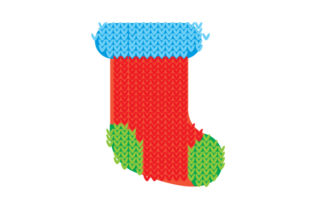
The visual personality of the Ugly Sweater Christmas Stocking relies heavily on the illusion of knitted texture. In digital formats like SVG or EPS, this detail looks crisp and infinite. However, in real-world embroidery projects, this texture must be achieved through strategic stitch density. If you are planning to use this as an applique design, the base fabric does much of the heavy lifting. I recommend using actual fleece, minky, or textured cotton as your appliqué material rather than attempting to replicate the entire sweater texture with fill stitches. Excessive fill stitch density creates a bulletproof patch that can pucker lightweight fabrics and break needles.
If the design utilizes satin stitch borders to define the stocking shape, pay close attention to the width. Satin stitches wider than 8mm are prone to snagging and looping, especially on items like tote bags or baby clothes that see frequent handling. A running stitch outline often provides a cleaner, more durable finish for this type of holiday embroidery. When reviewing the transparent PNG preview, look for areas where color blocks meet. Sharp transitions require precise registration. If your machine has tension issues, these junctions are where gaps will appear. Testing on scrap fabric identical to your final project is non-negotiable here to ensure the "knit" effect reads as cozy rather than cluttered.
Real-World Application: Custom Holiday Sweatshirts
I recently evaluated this design for a batch of custom apparel intended for a small shop product launch. The goal was to create a unisex crewneck sweatshirt featuring the Ugly Sweater Christmas Stocking centered on the chest. Sweatshirt fleece is forgiving, but it is also thick and stretchy. In this scenario, the design performed best when treated as a centerpiece rather than an all-over pattern. The visual weight of the stocking balanced well against the heavy garment, provided we used a cutaway stabilizer to prevent distortion.
Customer reaction to this specific application highlighted the importance of scale. On an adult medium sweatshirt, a 4x4 inch hoop size felt lost, while a 6x10 inch placement commanded attention without overwhelming the wearer. This confirms that for custom apparel, sizing must be adjusted relative to the garment's printable area. Furthermore, because sweatshirts are washed frequently, the stitch integrity held up well only after we verified that no tiny decorative elements were smaller than 2mm. Small details in this design could easily get buried in the fleece nap, reducing the perceived value of the finished product. For Etsy sellers, offering this design in multiple size variations within your listing photos helps buyers visualize the final fit accurately.
Navigating Fabric Limitations and Stabilizer Choices
While the Ugly Sweater Christmas Stocking shines on stable knits, it requires caution on other substrates. I advise against using this design on thin, sheer, or highly elastic fabrics without significant modification. The complexity inherent in an ugly sweater motif often involves higher stitch counts. Placing a dense embroidery project on a delicate tea towel or lightweight baby onesie can cause the fabric to tear or warp permanently. If you intend to use this for nursery decor or baby embroidery, verify the total stitch count first. You may need to remove background texture elements to make it safe for infant wear.
For curved surfaces like caps or structured tote bags, the flat geometry of a stocking shape can distort. Caps present a particular challenge because the sewing field is curved vertically. If the design includes horizontal lines meant to mimic sweater rows, they may appear bowed on a hat. In these cases, test the design in black and white mockups or physically pin a printout to the cap before stitching. Dark fabrics also demand scrutiny. If the design relies on subtle tonal shifts to create the ugly sweater pattern, those nuances may vanish on navy or black fabric. High contrast thread colors are essential for maintaining visual clarity and ensuring the handmade product looks professional rather than muddy.
Commercial Viability and Brand Consistency
For creative entrepreneurs and apparel decorators, the Ugly Sweater Christmas Stocking serves as a versatile seasonal asset. Its strength lies in its immediate recognition; customers understand the theme instantly, which reduces friction in sales conversations. However, brand consistency matters. If your shop specializes in minimalist, modern aesthetics, a highly detailed, traditional ugly sweater design might feel out of place. Conversely, for businesses focused on whimsical crafts and holiday gifts, this design reinforces your niche authority.
When creating printable mockups for digital product previews, ensure the lighting matches the texture implied by the embroidery file. Buyers need to trust that the digital download will yield a high-quality result. Showcase the design on varied backgrounds—light, dark, and textured—to demonstrate versatility. Always confirm licensing terms before selling finished items or distributing the digital embroidery file itself. While you receive SVG, Transparent PNG, EPS, and DXF formats, these are vector and raster graphics. You must verify if a specific machine embroidery format (like PES, DST, or JEF) is included or if you must digitize the vector art yourself. Digitizing from an SVG allows for custom stitch direction control, which is superior for achieving authentic textile effects compared to auto-digitizing software.
Designer Notes for Production Success
Before adding the Ugly Sweater Christmas Stocking to your production queue, run through this practical checklist to protect your time and materials:
- Verify File Compatibility: Confirm whether the provided files are ready-to-stitch embroidery formats or vector art requiring digitization. Do not assume compatibility with your specific machine brand.
- Test Stitch on Target Fabric: Never skip this step. Check for puckering, registration errors, and thread breaks on the exact material you plan to sell or gift.
- Evaluate Thread Color Contrast: Ensure the design remains legible on both light and dark fabrics. Adjust thread palette if the "ugly" pattern loses definition.
- Check Hoop Size Requirements: Measure the design dimensions against your available hoops. Resizing complex textured designs can alter stitch density unpredictably.
- Inspect Small Details: Identify any text or accents under 3mm. These may need to be simplified or removed for durability on washable items like kitchen towels or aprons.
- Select Appropriate Stabilizer: Use cutaway for stretchy knits and tear-away for stable wovens. Incorrect stabilizer choice is the most common cause of poor stitch-out quality.
- Review Licensing: Clearly understand if you can sell physical embroidered patches, custom apparel, or digital assets derived from this design.
- Create Accurate Mockups: Use the transparent PNG to create realistic previews that set correct customer expectations regarding texture and scale.
Ultimately, the Ugly Sweater Christmas Stocking is a charming addition to any holiday catalog, provided it is treated with technical respect. By prioritizing stitch integrity over digital perfection, you ensure that every personalized gift, boutique product, or craft fair item meets the high standards your customers expect. Whether you are embroidering a keepsake stocking or launching a seasonal apparel line, let practical testing guide your creative decisions. The result will be a finished product that feels as good as it looks, reinforcing trust in your craftsmanship and celebrating the true spirit of handmade holiday traditions.